 |
| Tylomelania sp. and Caridina dennerli Livestock and photo by Andy Bouwma, Lexinverts |

Monday, December 31, 2012
A Visit From Lexinverts

Saturday, October 6, 2012
Aquarium-Shops.com
Aquarium-Shops.com has officially launched, and serves as a one-stop source for hobbyists to find information on the aqua hobby, including forums, breeders, and shops. ebiGarden is featured on the site, plus many more excellent shrimp blogs, so check it out and submit your site!

Tuesday, October 2, 2012
Sumida Aquarium Update
Here is an update on the Sumida Aquarium aquascapes by Takashi Amano/ADA Japan. This video highlights the daily maintenance of the aquariums, including an exquisite trimming of the plants. Follow this link to see the impressive setup videos: Takashi Amano x Sumida Aquarium
Thursday, September 27, 2012
Friday, July 13, 2012
Shrimplet Survival: Tank Setup, Water Parameters, Biofilm, and Supplements
Keeping shrimplets alive has been a persistent challenge among some hobbyists, and is a problem observed across many forums of different languages. Many report having berried females and seeing released shrimplets; however, after a few days, the shrimplets simply vanish. This can be a frustrating experience since the goal of many shrimpkeepers is to be able to breed them, whether their aims are selective breeding or simply increasing their colonies.
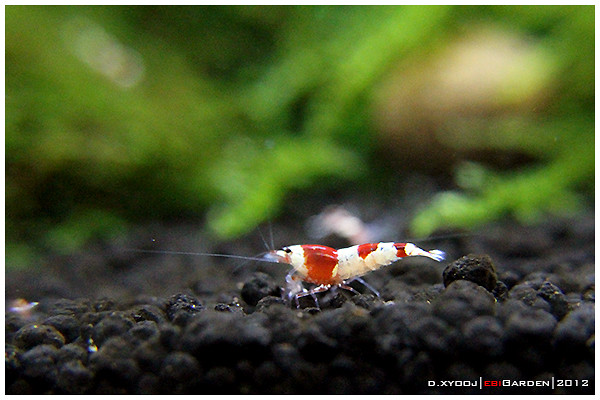
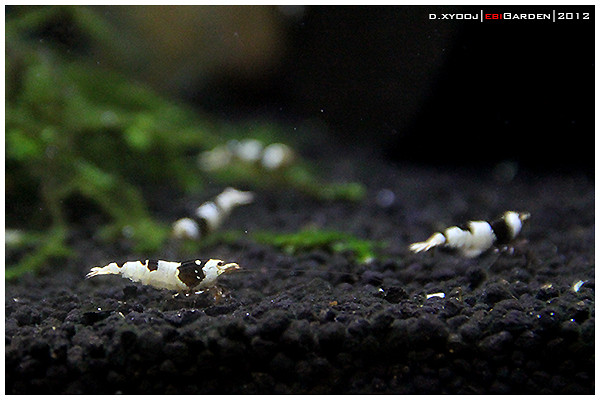
My first experiences weren't so great, but after reading, reading some more, and communicating with other shrimpkeepers, I picked up some tips and gained some useful experiences. To date, I have successfully bred (at least F2+) CRS, CBS, TBs (BKK/WR), Super Tigers, OEBTs, Red Tigers, Cherries/Fire Reds, Red Rili, Blue Pearls, and Sulawesi Cardinals. The ones I've kept that I was unable to breed due to having a group of only one gender or inexperience include BTOEs, Orange Neos, Sulawesi Blueberry, and Sulawesi Harlequins.
I would like to share some personal tips on shrimplet survival (thus, breeding success). Keep in mind that these are practices that have worked best for me and that there are many other ways to approach keeping and breeding shrimp.
Tank Setup
- Sponge filters or steel-mesh/sponge-covered intakes on power/canister filters are a must so that shrimplets do not get sucked into the filter.
- Do not keep any fish with shrimp you are trying to breed. Any fish that can fit a shrimp/shrimplet in its mouth will probably try to eat it, even small rasboras and boraras are a threat to shrimplets. Oto cats may be okay, but I do not keep any fish with my shrimp.
- Use plants/moss and leaves/cholla wood/alder cones, etc. These provide places for shrimplets to hide and have a large surface area for biofilm/microfauna/beneficial bacteria to thrive in.
Water Parameters
- Keep a close watch on your water parameters, ammonia, nitrite, nitrate, pH, KH, GH, TDS, and temperature, to ensure they are in suitable ranges. Shrimp have been observed to breed in certain ranges; however, shrimplets did not survive in the same ranges.
- Copper, chlorine, and CO2 also need to be monitored if you are adding them or come from some other source.
- Take necessary measures (water changes, etc.) to adjust your parameters if any are significantly off and affecting your shrimp; however, keep in mind that drastic changes may do more harm, and that stability is important. If they are thriving and breeding well in parameters not in "recommended" ranges, then let them be.
Biofilm
- Keep the back and sides of your tank full of algae and biofilm (if not a show tank). I only scrape the front and let the shrimp go to work on the other panes. I've actually observed them cleaning away good portions from the glass.
- Moss and leaves are also good places where biofilm and microfauna thrive for shrimplets to consume.
Supplements
- Shrimplets cannot compete with adults when feeding from pellets or other food you add. Therefore, supplement with powdered food that can be dispersed throughout the tank.
- In addition to powdered food, you may want to add an immunity booster, such as Mosura Tonic Pro or BorneoWild Shield. Infections can occur for various reasons and can easily wipe out one's colony; take precautions to prevent such disasters.
Hope these tips are helpful. Let me know if you have any questions, thoughts, or anything you'd like to add.
Happy shrimping!
My first experiences weren't so great, but after reading, reading some more, and communicating with other shrimpkeepers, I picked up some tips and gained some useful experiences. To date, I have successfully bred (at least F2+) CRS, CBS, TBs (BKK/WR), Super Tigers, OEBTs, Red Tigers, Cherries/Fire Reds, Red Rili, Blue Pearls, and Sulawesi Cardinals. The ones I've kept that I was unable to breed due to having a group of only one gender or inexperience include BTOEs, Orange Neos, Sulawesi Blueberry, and Sulawesi Harlequins.
I would like to share some personal tips on shrimplet survival (thus, breeding success). Keep in mind that these are practices that have worked best for me and that there are many other ways to approach keeping and breeding shrimp.
Tank Setup
- Sponge filters or steel-mesh/sponge-covered intakes on power/canister filters are a must so that shrimplets do not get sucked into the filter.
- Do not keep any fish with shrimp you are trying to breed. Any fish that can fit a shrimp/shrimplet in its mouth will probably try to eat it, even small rasboras and boraras are a threat to shrimplets. Oto cats may be okay, but I do not keep any fish with my shrimp.
- Use plants/moss and leaves/cholla wood/alder cones, etc. These provide places for shrimplets to hide and have a large surface area for biofilm/microfauna/beneficial bacteria to thrive in.
Water Parameters
- Keep a close watch on your water parameters, ammonia, nitrite, nitrate, pH, KH, GH, TDS, and temperature, to ensure they are in suitable ranges. Shrimp have been observed to breed in certain ranges; however, shrimplets did not survive in the same ranges.
- Copper, chlorine, and CO2 also need to be monitored if you are adding them or come from some other source.
- Take necessary measures (water changes, etc.) to adjust your parameters if any are significantly off and affecting your shrimp; however, keep in mind that drastic changes may do more harm, and that stability is important. If they are thriving and breeding well in parameters not in "recommended" ranges, then let them be.
Biofilm
- Keep the back and sides of your tank full of algae and biofilm (if not a show tank). I only scrape the front and let the shrimp go to work on the other panes. I've actually observed them cleaning away good portions from the glass.
- Moss and leaves are also good places where biofilm and microfauna thrive for shrimplets to consume.
Supplements
- Shrimplets cannot compete with adults when feeding from pellets or other food you add. Therefore, supplement with powdered food that can be dispersed throughout the tank.
- In addition to powdered food, you may want to add an immunity booster, such as Mosura Tonic Pro or BorneoWild Shield. Infections can occur for various reasons and can easily wipe out one's colony; take precautions to prevent such disasters.
Hope these tips are helpful. Let me know if you have any questions, thoughts, or anything you'd like to add.
Happy shrimping!
 |
| Shrimp breeding tank with sponge filter, biofilm on glass, moss, catappa leaves, and supplements. |
Tuesday, June 12, 2012
Takashi Amano X Sumida Aquarium
This 4-part video series documents Takashi Amano's (Aqua Design Amano) attempt at creating massive scale nature aquariums at Tokyo's Sumida Aquarium. The planning phase, planting, and finished layouts are very impressive. Though not shrimp related, I think these are great videos. Embedded in order below.
Wednesday, May 30, 2012
Subscribe to:
Posts (Atom)